Tropic Guide
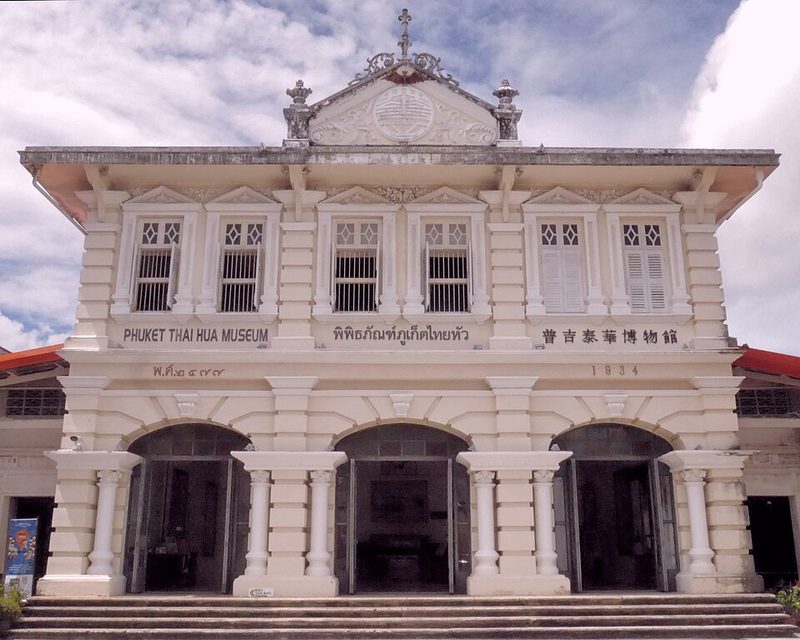
Thai Hua Museum
Museum of Phuket's Chinese history in a 1934 Chinese school building in the Old Town. About an hour; a good way to sit out the midday heat.
Probably open daily, but a closing day (Mon or Wed) can't be ruled out; check before you go. Last entry about 16:30.
About the place
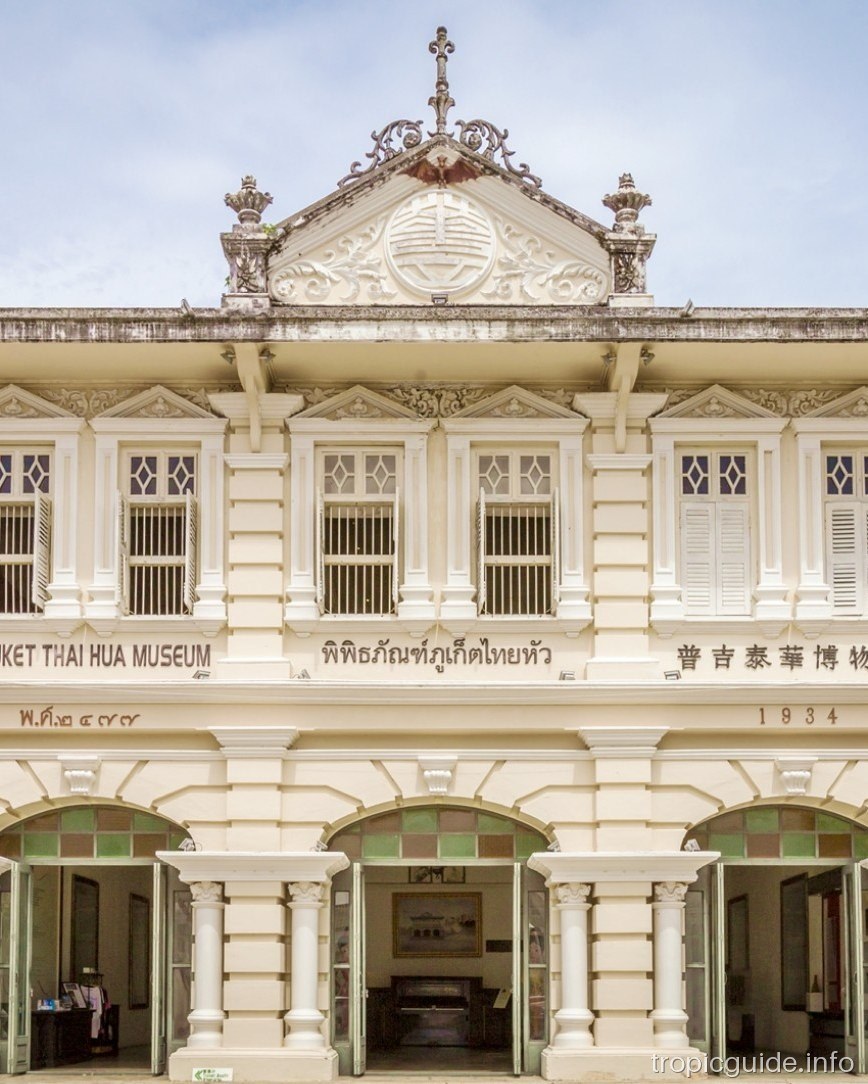
Thai Hua is a museum in a 1934 Sino-Portuguese mansion at 28 Krabi Road in the Old Town. It tells how Chinese migrants settled on Phuket, how the island lived on tin and how it came to tourism. A visit takes about an hour, and the halls are air-conditioned, so the museum is a good choice for the hot middle of the day.
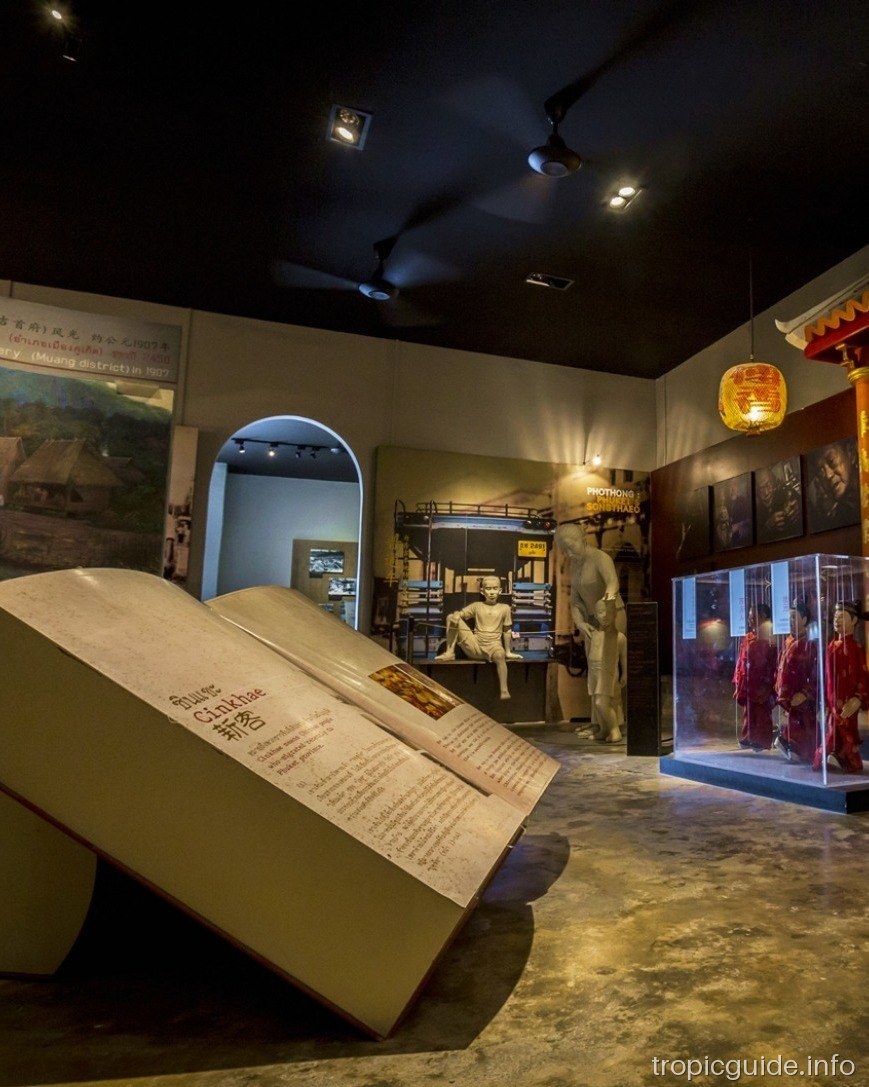
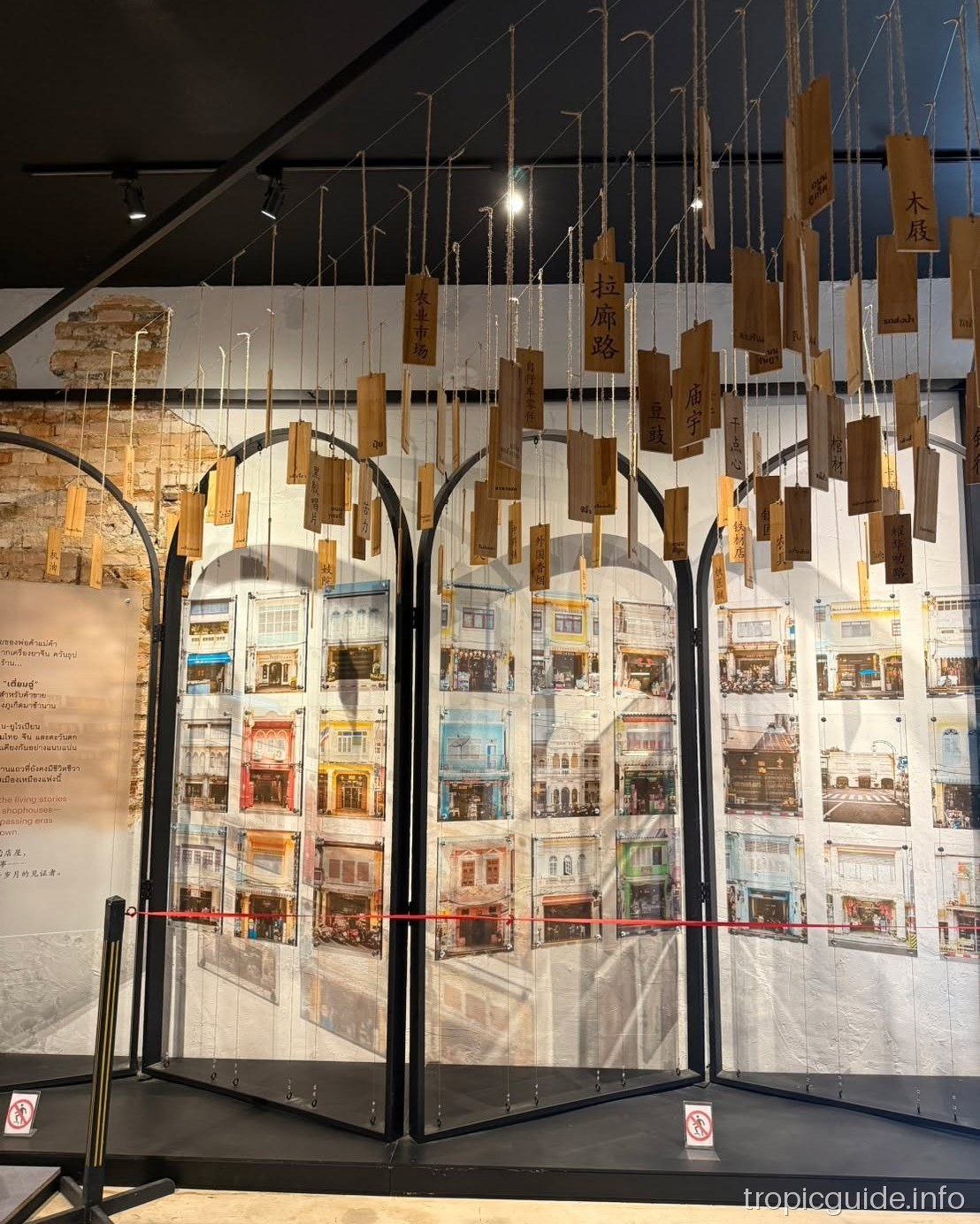
Its 13 rooms on two floors hold Peranakan furniture with mother-of-pearl inlay, Baba-Peranakan wedding and ceremonial costumes, a reconstructed shophouse interior, old photographs and maps. Captions are in Thai and English. Teenagers usually find it interesting; small children may get bored.
The museum is open 09:00–17:00, last entry about 16:30; most likely it is open every day. But various guides name Monday or Wednesday as the closing day, so it is best to check the opening hours before visiting. An adult foreigner pays 200 THB, a child 120 THB, and photography costs another 200 THB. There is no parking of its own.
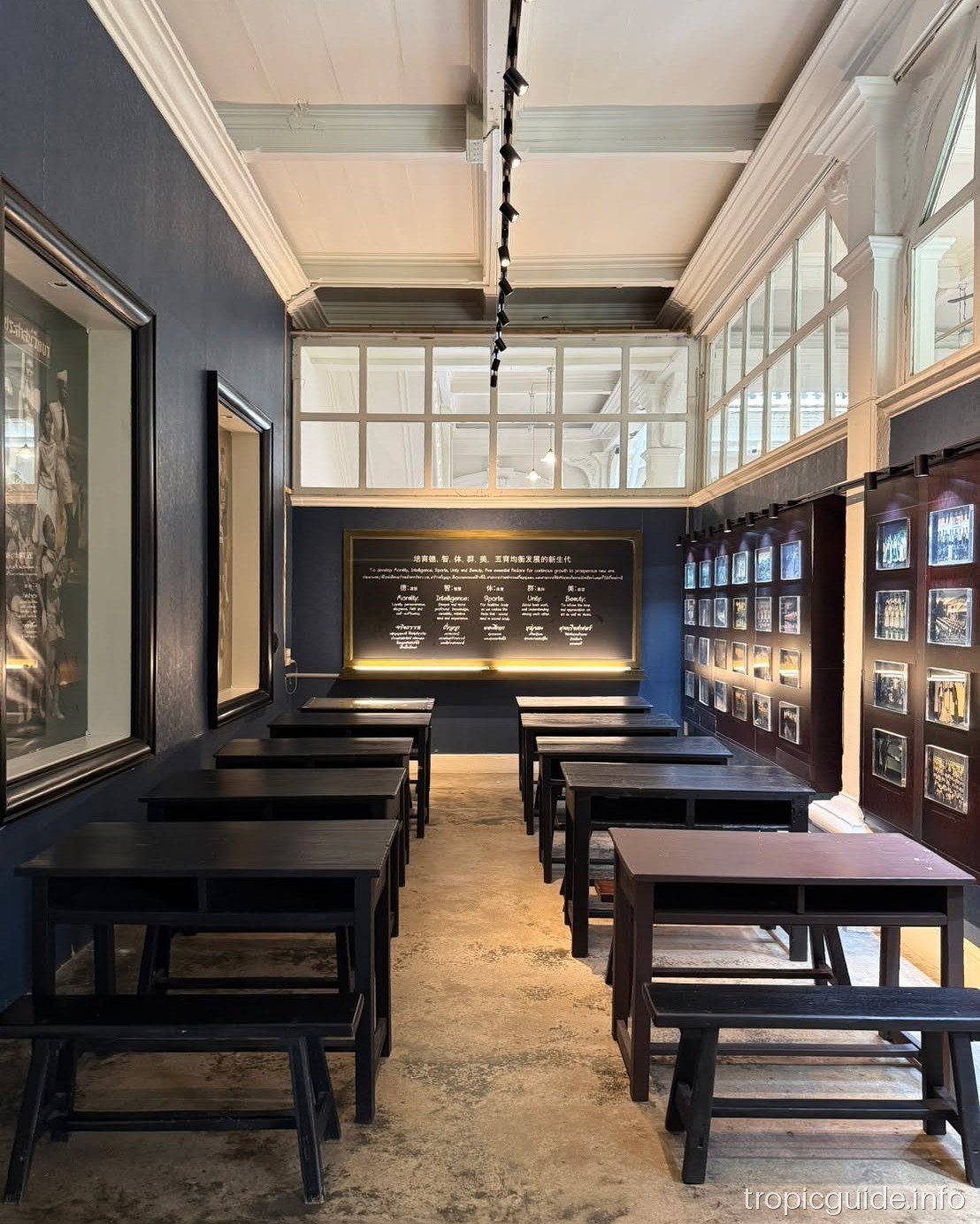
The building was built by the Hokkien community as the island's first Chinese-language school. In 1995 the school moved to Vichit Songkram Road, where it still operates. The mansion was restored by the alumni association, and the museum opened in it in 2010; the name Thai Hua comes from the school.
Getting there
The museum is at 28 Krabi Road in the Old Town, a few minutes' walk from Thalang Road and Chinpracha House on the same street. There is no parking of its own: from the beach areas Grab or a taxi is easier, and around the centre you can walk.
Photos
Questions and answers
How do I get there and where do I park?
28 Krabi Road, in the Old Town. There is no parking of its own, so it is easier to walk or come by taxi.
How much is entry?
200 THB for an adult foreigner, 120 THB for a child. Photography is extra, 200 THB.
What are the opening hours?
09:00–17:00, last entry about 16:30.
Is there a closing day?
Most likely not, but various guides name Monday or Wednesday as the closing day. It is best to check the opening hours before visiting.
How much time should I allow?
About an hour.
Is it interesting for children?
Captions are in English, and there are many costumes and reconstructions. Teenagers find it interesting; small children may get bored.
What can I combine it with?
With Chinpracha House on the same street, Soi Romanee, the Jui Tui Shrine and lunch at Tu Kab Khao.
Why is the museum called Thai Hua?
That was the name of the Chinese school for which the Hokkien community built the building in 1934. The school itself still operates, but in a different place.