Tropic Guide
Tides: why the beach is there in the morning and gone by lunch
Twice a day Phuket's sea goes out and comes back. Which beaches show it most, where to find a tide table, and the best time to swim and snorkel.
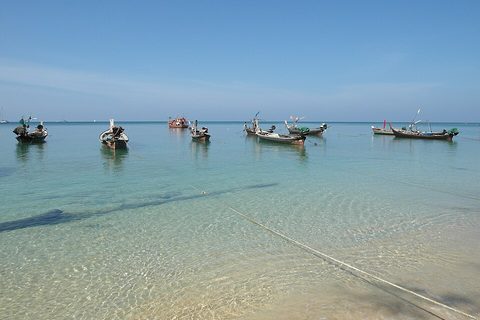
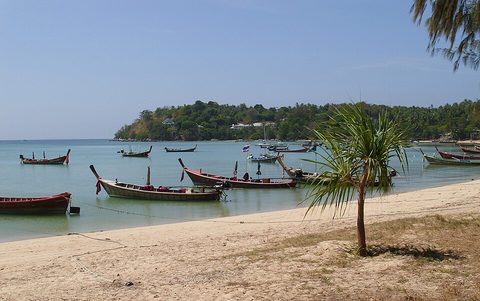
You arrive at the beach from the photos and find wet sand, rocks and boats on their sides instead of turquoise water? You have probably hit low tide. In Phuket the water rises and falls twice a day, and the range can exceed two metres.
Where it shows most
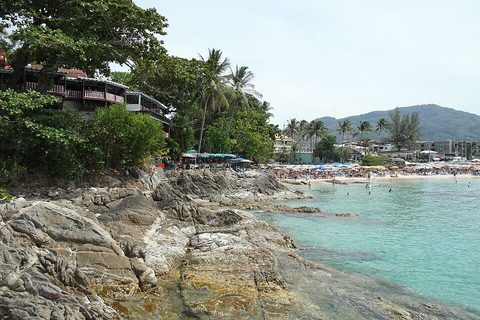
- The east and south coasts. At Rawai Beach and in Chalong Bay the sea pulls back hundreds of metres at low tide, leaving mud and rocks. Swimming there at low tide is awkward.
- The north. At Nai Yang the reef surfaces at low tide; snorkel at high tide.
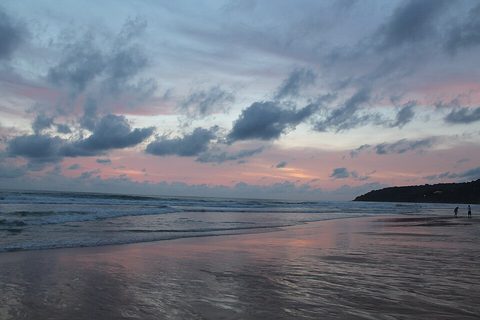
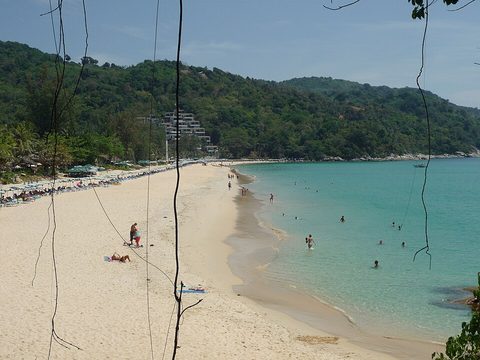
- The west beaches, Patong, Kata and Karon, change less: at low tide the beach is just wider.
What to do when
- Swim and snorkel at or near high tide: more water, and coral does not scrape you.
- Walk and beachcomb at low tide: sandbars and crab pools appear.
- Longtails to the islands: at a very low tide boats cannot reach some piers, so check times with the boatman.
Where to check
Search for Phuket tide table or install any tide app and pick the point nearest your beach. High tide moves about 50 minutes later each day.
In short
- Two highs and two lows a day, with a range of two metres or more.
- Rawai and Chalong at low tide are mud and rocks; the west changes less.
- Snorkel at high tide, walk the sandbars at low tide.
- High tide shifts daily, so check a table.
Questions and answers
Is it better to snorkel in Phuket at high or low tide?
At or near high tide: there is more water and the coral does not scrape you. At low tide the reef at Nai Yang and the rocks at Rawai surface.
Where can I check tide times in Phuket?
Search for Phuket tide table or use a tide app. High tide shifts about 50 minutes later each day.