Tropic Guide
The coves past Nai Harn: the south nobody mentions
Ao Sane and Ya Nui — tiny coves ten minutes from postcard Nai Harn where the snorkelling starts right off the rocks. Where to swim when the west is rough, and why dinner belongs at the Rawai fishermen's market.
Past Nai Harn the road narrows, the hotels stop — and the south worth coming for begins. Two coves in a row, each ten minutes further from the crowd, a viewpoint above them and a fish market for sunset.
Morning: Ao Sane
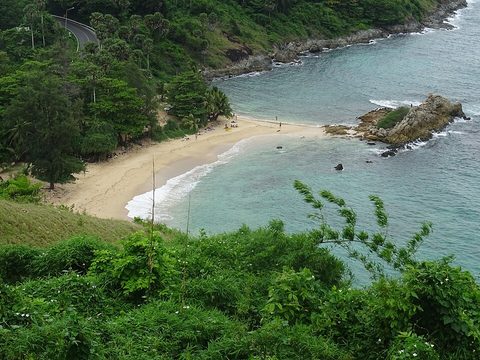
A rocky cove just past Nai Harn — the best snorkelling in the south with no boat involved: a mask, the rocks, the fish. Come in the morning: by midday the narrow strip of sand is taken and the water is murkier.
Ya Nui and the windmill
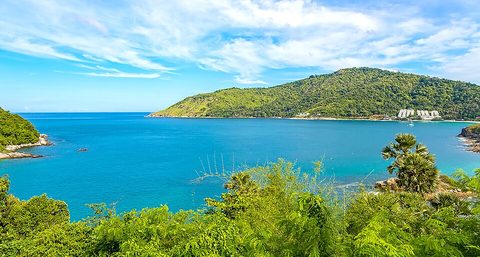
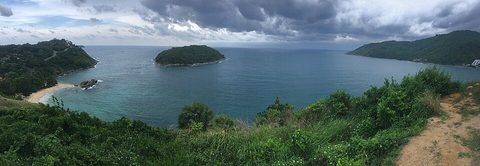
Ya Nui is a tiny bay with kayaks and coral between two capes. Right above it stands the windmill viewpoint: both sides of the cape at once, and the best spot to understand the geography of the south. Five minutes up from the car park.
If the west is rough: Ao Yon
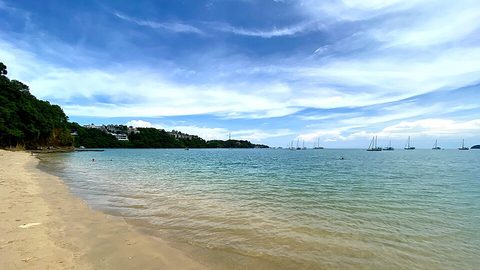
In the rainy season the west-coast beaches often fly red flags. Then the swim moves to the east coast: the nearest calm bay is Ao Yon on the Panwa peninsula, about half an hour from Rawai. Sand under palms, a couple of beach cafés, mostly locals. Cars stay on the main road — vehicles are not let down to the beach.
Evening: the Rawai fishermen's market
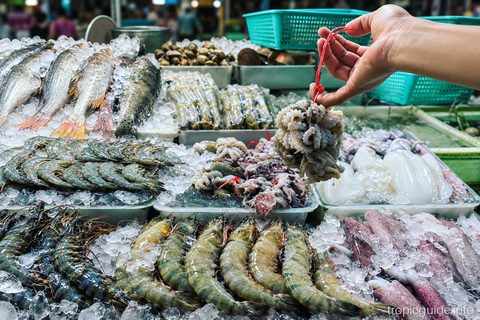
The finale is the Rawai waterfront. At the fish market you pick a crab, prawns or a barracuda right off the stall, and the next row grills it on the spot. Cheaper and more honest than any seafood restaurant — with the sunset over the longtails thrown in.
Why this order
Snorkelling in the morning, while the water is clear. The viewpoint at midday, when the sun is high and the coves show their deepest colour. If the west is under red flags, head over to east-facing Ao Yon for the afternoon swim. And the market lives in the evening — before six there is nothing to come for.